


Back to all modules
Coffeehouses and Teahouses: A Global Architectural History
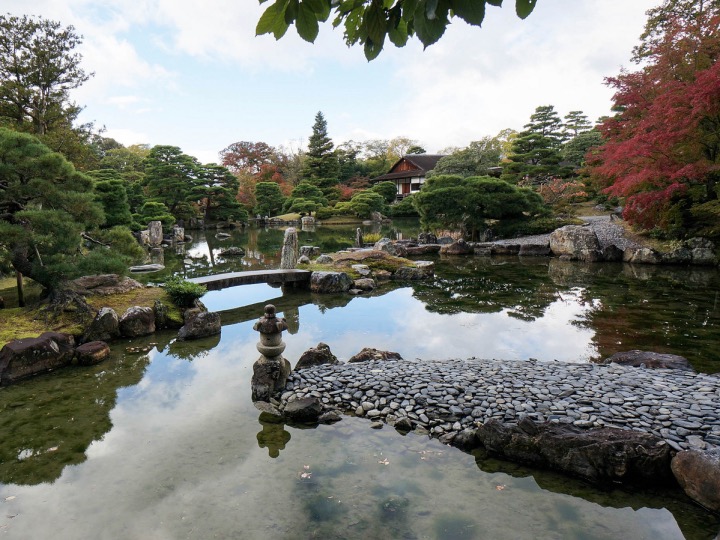
Among the wide range of materials that humans consume, substances such as coffee, tea, chocolate, and tobacco seem to form a separate category: humans take these so-called stimulants or psychoactive substances less for their nutritional benefits than for their capabilities in altering their moods or the status of their minds. The fact that materials containing similar chemical compounds were used in different regions of the world underscores their inherent physiological appeal to humans.
Yet there has always been much more to these substances than their biological effect; perhaps more than any other kind of food or drink, these substances have been capable of taking on cultural and social significance. Indeed, in all human societies, material spaces formed around the collective consumption of stimulants show distinctive physical features. The architecture of a Japanese teahouse, an Ottoman coffeehouse, or an eighteenth-century Parisian cafe cannot be explained without understanding the rituals and customs associated with the consumption of tea or coffee.
This module of five lectures traces the introduction and dissemination of stimulants and other substances (coffee, tobacco...
Loading Accordion Items...